
I Never Knew That About the English

I Never Knew That About the English

Desconhecido

Desconhecido

This wonderful book takes an affectionate, entertaining and perceptive look at the English people. Here are their traditions, foibles, quirks, customs, humour and achievements, triumphs and failures, peccadilloes and passions. Travel through England from coast to coast and learn how every county contributes in unique and different ways to the distinct English personality. Marvel at crooked black and white halls in Cheshire and soft golden stone cottages in Midland villages. Go cheese rolling in Gloucestershire, discover the origins of cricket in Hampshire, savour a hot pot in Lancashire and a pudding in Yorkshire. Gasp at the glories of stately homes and the families that create them, upstairs and down, enjoy a pint. Listen to the memories and tales of ordinary folk from every walk of life and find out from them what it means to be English. This irresistible book will entertain and inform for hours on end.
Read online

  • 232
Environment, Society and the Black Death

Environment, Society and the Black Death

Desconhecido

Desconhecido

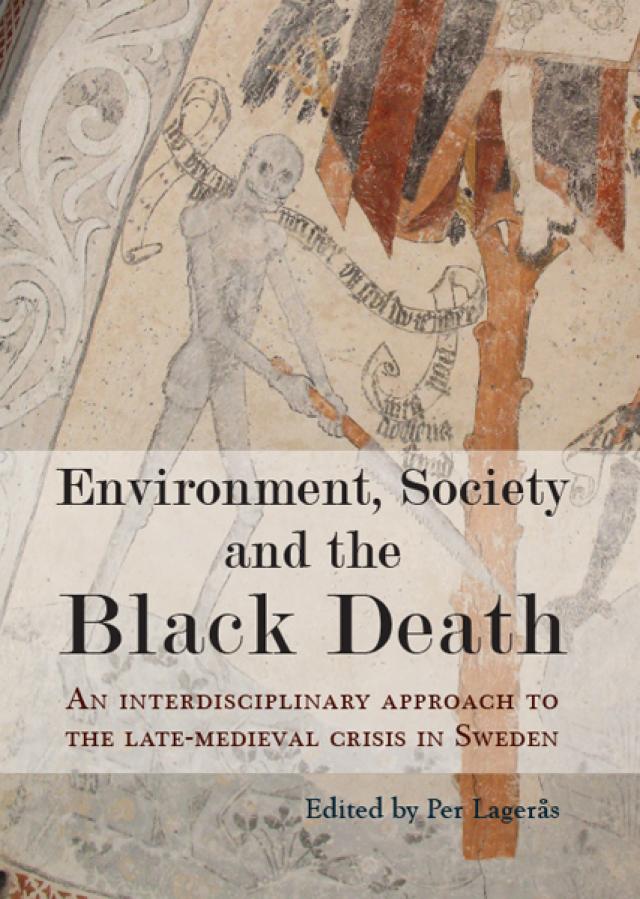
In the mid-fourteenth century the Black Death ravaged Europe, leading to dramatic population drop and social upheavals. Recurring plague outbreaks together with social factors pushed Europe into a deep crisis that lasted for more than a century. The plague and the crisis, and in particular their short-term and long-term consequences for society, have been the matter of continuous debate. Most of the research so far has been based on the study of written sources, and the dominating perspective has been the one of economic history. A different approach is presented here by using evidence and techniques from archaeology and the natural sciences. Special focus is on environmental and social changes in the wake of the Black Death. Pollen and tree-ring data are used to gain new insights into farm abandonment and agricultural change, and to point to the important environmental and ecological consequences of the crisis. The archaeological record shows that the crisis was not only characterized by abandonment and decline, but also how families and households survived by swiftly developing new strategies during these uncertain times. Finally, stature and isotope studies are applied to human skeletons from medieval churchyards to reveal changes in health and living conditions during the crisis. The conclusions are put in wider perspective that highlights the close relationship between society and the environment and the historical importance of past epidemics.
Read online
  • 22
183